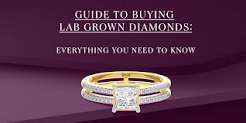

Choosing an engagement ring or a special piece of jewelry is an exciting milestone, and more shoppers than ever are turning to lab grown diamonds as a smart, budget-friendly alternative to mined stones. lab grown diamond engagement rings If you’re researching a lab grown diamond ring price, you’re likely wondering how these rings compare in cost to traditional diamonds, what factors influence the final price tag, and whether the savings come with any trade-offs. This guide breaks down everything you need to know before making a purchase.
What Determines a Lab Grown Diamond ring Price
Just like natural diamonds, lab grown diamonds are priced according to the four Cs: carat weight, cut, color, and clarity. A larger, more brilliantly cut stone with excellent color and clarity grades will always cost more than a smaller or lower-grade one, regardless of whether it was mined or created in a lab. Beyond the stone itself, the ring’s metal choice plays a significant role in the overall price. Platinum settings tend to be the most expensive, followed by 18k gold, with 14k gold and sterling silver offering more affordable options. The complexity of the setting design, whether it’s a simple solitaire or an intricate halo with pavé accents, also adds to the final cost. Brand reputation and where you shop matter too; boutique jewelers and well-known brands often charge a premium compared to online retailers who operate with lower overhead.
How much Do Lab Grown Diamond Rings Typically Cost
On average, a lab grown diamond ring can cost anywhere between $500 and $5, 000, with most popular styles falling between $1, 000 and $3, 000 depending on carat size and setting. A one-carat lab grown diamond solitaire ring in a simple 14k gold band often starts around $1, 200 to $2, 000, while a similar ring with a natural diamond of comparable quality could easily run $4, 000 to $8, 000 or more. For larger stones, say two carats or above, the price gap becomes even more dramatic, with lab grown options sometimes costing 60 to 80 percent less than their mined counterparts. This price difference exists because lab grown diamonds are produced more efficiently and don’t carry the same mining, exploration, and distribution costs associated with natural stones.
Why Lab Grown Diamonds Cost Less than Mined Diamonds
The primary reason lab grown diamonds are more affordable comes down to the production process. Natural diamonds require extensive mining operations, heavy machinery, and years of exploration before a single stone reaches the market, all of which drive up costs. Lab grown diamonds, on the other hand, are created in controlled environments using advanced technology that replicates the natural diamond-growing process in a matter of weeks rather than millions of years. This shorter production timeline and lower overhead translate directly into savings for consumers. Additionally, the lab grown diamond supply chain is generally shorter and more transparent, cutting out several layers of middlemen markups that are common in the traditional diamond trade.
Comparing Prices Across Carat Sizes
Carat weight has one of the biggest impacts on price, and this holds true whether you’re shopping for lab grown or natural diamonds. A half-carat lab grown diamond ring might start as low as $400 to $800, making it an accessible option for those on a tighter budget. Moving up to a full carat typically pushes the price into the $1, 200 to $2, 500 range, while a 1. 5-carat stone might cost between $2, 000 and $4, 000. Two-carat lab grown diamond rings generally range from $3, 000 to $6, 000, still substantially less than a natural diamond of the same size. Shoppers should keep in mind that price doesn’t scale perfectly with carat weight since larger rough stones are rarer even in lab settings, so jumps in size can sometimes mean disproportionate jumps in price.
Tips for Getting the Best value
To get the most value for your money, consider shopping for a stone that’s just slightly below a common carat threshold, such as 0. 9 carats instead of a full carat, since prices often jump noticeably at round numbers. Comparing certification from reputable labs like IGI or GIA ensures you’re paying a fair price for the actual quality grade of the stone. It’s also worth exploring online retailers who specialize in lab grown diamonds, as they typically offer better pricing than traditional brick-and-mortar jewelers due to lower overhead costs. Finally, consider the setting carefully; opting for a slightly simpler design or a more affordable metal can free up budget to invest in a larger or higher-quality stone.
Final thoughts
A lab grown diamond ring offers an excellent combination of beauty, quality, and affordability, often costing 40 to 80 percent less than a comparable natural diamond ring. By understanding what drives pricing, from the four Cs to metal choice and retailer markups, you can make an informed decision that fits both your style preferences and your budget.