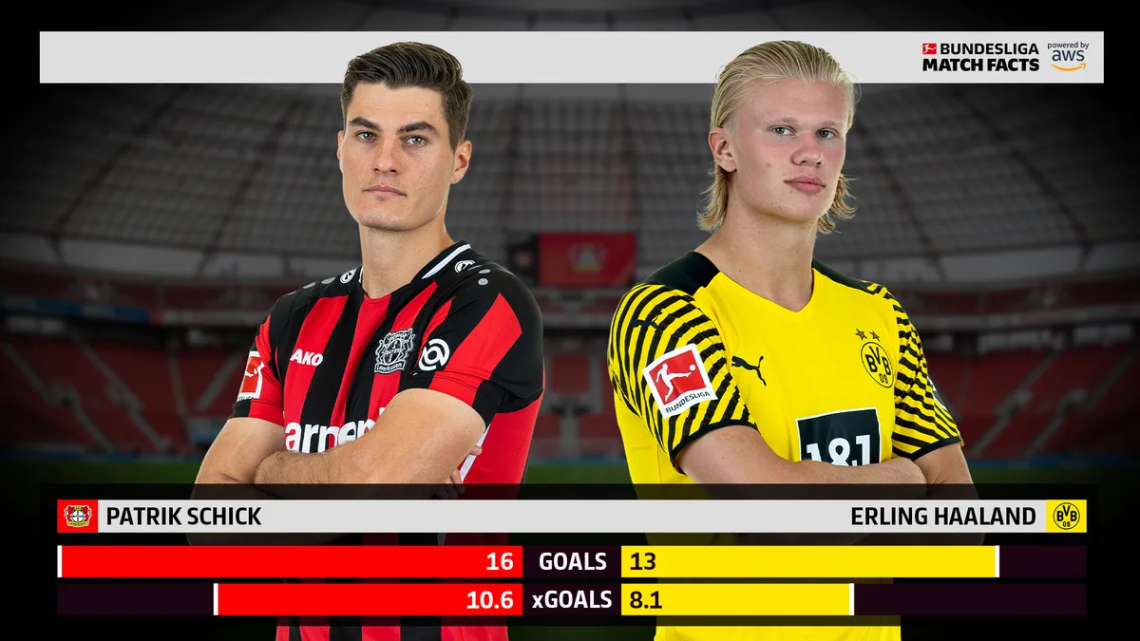

Teams that generate strong attacking metrics but fall short of conversion often invite future profit for analytical bettors. In the Bundesliga 2021/2022 season, several sides demonstrated consistent creation without equivalent scoring outcomes. This statistical underperformance marks a predictable inefficiency: when a team’s expected goals exceed actual returns across multiple matches, finishing variance tends to correct itself. Tracking this phenomenon reveals where form rebounds are most likely to emerge.
Why xG–Goal Discrepancy Signals Hidden Value
Expected goals (xG) measure shot quality, capturing the probability that each attempt becomes a goal. When cumulative xG remains high but scoring output lags, a team’s fundamentals remain healthy—attacking systems produce opportunities, but execution falters temporarily. Such gaps between performance reality and scoreboard results often narrow over subsequent matches, creating undervalued positions before markets adjust.
Quantitative Table: Bundesliga 2021/2022 Teams with Poor Conversion
| Team | xG | Actual Goals | Difference |
| Freiburg | 55.2 | 49 | +6.2 |
| Eintracht Frankfurt | 58.1 | 46 | +12.1 |
| Wolfsburg | 49.3 | 43 | +6.3 |
| Köln | 52.9 | 47 | +5.9 |
| Union Berlin | 48.6 | 44 | +4.6 |
Among them, Frankfurt’s disparity epitomized inefficiency. Despite strong transitional play driven by Kostić and Borré, recurrent finishing variance kept results below structural capability. The same applied to Freiburg, whose tactical volume came through compact pressing and high-xG chances without consistent execution.
Tactical Contributors to Underperformance
Large xG–goal gaps typically stem from three causes:
- Finishing inefficiency: Strikers converting below expected rate from central areas.
- Chance clustering: Too many attempts from identical spaces lowering marginal finishing probability.
- Goalkeeping variance: Opponents outperforming in shot-stopping metrics relative to average.
These factors overlap within short-term cycles but normalize once tactical rhythm stabilizes.
How Bettors Exploit xG–Goal Imbalance
For value-based bettors, identifying teams with persistent positive xG gaps offers predictive advantage. As finishing regresses toward expectation, these teams often outperform immediate perception, especially after narrow-scoreline losses or repeated draws. Strategic observation focuses on momentum signals—improved shot placement, higher post-shot xG, or increasing possession duration near goal.
Observation from data-driven services can elevate precision. When integrated through advanced monitoring frameworks—such as those available on a betting platform like ufabet—bettors can evaluate weekly updates on xG differentials, finishing trends, and expected point models. This statistical transparency enables decision-making based on sustained chance creation rather than emotional narratives tied to previous outcomes.
Identifying the Turning Point: When Rebound Begins
Regression typically begins once key attackers reestablish rhythm, or when tactical substitutions introduce finishing clarity. Notably, a steady xG production combined with declining shot volume efficiency often precedes bounce-back stretches. Understanding timing around fixture congestion also refines the entry window—teams returning from difficult runs often convert better as opposition quality drops.
Patterns That Delay Expected Rebound
Situational Obstacles
Even with strong underlying play, rebound potential weakens if:
- Tactical inefficiencies persist (same flawed final-third structure).
- Psychological pressure amplifies after prolonged underperformance.
- Injury disruptions hinder player consistency.
When underlying creation rates decline concurrently, the xG metric loses predictive strength since inefficiency becomes systemic, not situational.
Predicting xG Rebound Through Comparative Metrics
Comparing rolling five-match xG averages across teams provides granular insight. Rising xG but static scoring indicates temporary inefficiency—valuable for pre-rebound speculation. Conversely, declining xG with steady goal tallies signals overperformance due for regression downward, informing contrarian bets on upcoming matches.
Bettors leveraging ecosystems integrated through casino online analytics gain combined xG correlations alongside external indicators like shot placement accuracy, goalkeeper bias, and historic conversion ratios. These composite models illuminate how often inefficiency repeats or self-corrects, turning what appears to be an outlier season into actionable predictive context.
Critical Distinction: Luck vs. Process
Not all xG discrepancies imply luck. Understanding structural versus stochastic variance defines actionable intelligence. A team missing big chances due to tactical congestion exhibits process flaws; one hitting posts multiple times under strong setup demonstrates temporary fortune lag. By differentiating between those categories, bettors position themselves before market corrections, capturing transition value effectively.
Summary
Bundesliga 2021/2022 provided multiple data-backed rebound candidates—namely Frankfurt, Freiburg, and Köln—whose xG profiles outpaced goal returns. These teams were not poor offensively but inefficient under temporary variance. Tracking continuing xG strength and improvement in finishing precision signaled low-risk reversion opportunities across subsequent fixtures. In the language of data-driven betting, early identification of that imbalance transforms perceived weakness into informed timing—a sharpening edge through logic, not sentiment.