
Understanding the Role of MD5 Hashes in Secure Digital File Verification
When people download online game files, patches, or updates, they want confidence that every file is complete and unchanged. An MD5 hash generator provides a quick way to create a unique digital fingerprint for a file so users can compare it with an official hash value before installation. This simple process helps identify accidental corruption during downloads and can also reveal whether a file has been modified. The concept is valuable across software distribution, archives, backups, and gaming communities. Discussions around Tài Xỉu MD5 often introduce players to the broader idea of using hash values for verification rather than relying only on file names or download sizes. As digital content continues to grow, file integrity checks remain an essential part of safe computing practices.
Why File Verification Matters
- Confirms that downloaded files match the original release.
- Detects corruption caused by interrupted or incomplete downloads.
- Helps users identify unexpected file modifications.
- Supports better digital security practices before installation.
- Provides a fast and repeatable verification process.
How an MD5 Hash Generator Creates a Digital Fingerprint
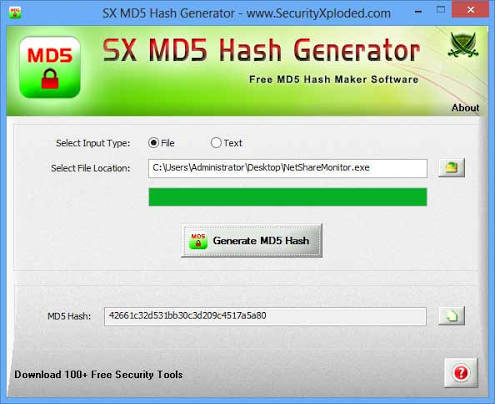
An MD5 hash generator processes every byte of a file and converts the content into a fixed-length string of hexadecimal characters. Even the smallest modification inside the file produces a completely different hash value. This sensitivity allows users to compare two files quickly without inspecting every piece of data manually. Although MD5 is no longer recommended for modern cryptographic security because stronger algorithms exist, it still serves many practical purposes for integrity verification when combined with trusted download sources. Many software developers continue to publish MD5 values alongside downloads to help users verify that files remain unchanged after transfer between servers and personal devices.
Key Features of the Hashing Process
- Produces the same output every time for identical files.
- Generates a completely different value after even minor changes.
- Works with files of nearly any size.
- Offers fast processing on modern computers.
- Simplifies comparison between original and downloaded files.
Common Applications of MD5 Hash Generators Across Digital Platforms
MD5 hash generators support many digital workflows beyond gaming. Software developers use them to verify installation packages, while IT administrators compare backup files before deployment. Educational institutions often verify downloadable resources, and businesses confirm document integrity before sharing archives internally. Content creators may also verify multimedia files after uploading or transferring large collections between storage devices. The convenience of hashing allows organizations to detect transfer errors without opening every file individually. Since the generated value represents the entire file content, users can perform efficient integrity checks across thousands of files in relatively little time.
Popular Uses for MD5 Verification
- Software download verification.
- Backup validation.
- File synchronization checks.
- Digital archive management.
- Internal document integrity confirmation.
- Game patch verification.
- Large media transfer validation.
Benefits of Using an MD5 Hash Generator Before Installing Online Game Files
Game files often contain large amounts of data, making downloads vulnerable to interruptions or corruption. Running an MD5 hash generator before installation provides an additional layer of confidence that the downloaded package matches the publisher’s official version. This simple verification step reduces the chance of installation failures caused by damaged files and helps users avoid unnecessary troubleshooting later. While hashing alone cannot guarantee complete security against sophisticated attacks, it remains a useful integrity check when combined with downloads from trusted publishers and official distribution channels. Many experienced users include hash verification as part of their regular installation routine because it takes only a few moments and may prevent significant problems.
Practical Advantages for Gamers
- Reduces installation errors.
- Identifies damaged downloads before installation.
- Saves time spent reinstalling corrupted files.
- Supports consistent game performance.
- Encourages safer download habits.
Limitations of MD5 and Why Stronger Algorithms Also Matter
Although MD5 remains useful for checking file integrity, cybersecurity professionals generally recommend stronger hashing algorithms such as SHA-256 for situations involving sensitive security requirements. Researchers have demonstrated collision vulnerabilities in MD5, meaning different inputs can theoretically produce the same hash under carefully crafted conditions. For routine integrity verification of publicly distributed files, MD5 may still be encountered because of its speed and widespread compatibility. However, organizations responsible for protecting confidential information usually adopt stronger hashing standards as part of broader security strategies. Understanding these limitations helps users choose the right verification method for different situations without assuming that every hash algorithm provides the same level of protection.
Important Security Considerations
- MD5 is best suited for integrity verification.
- Stronger algorithms offer better cryptographic protection.
- Trusted download sources remain essential.
- Hash verification complements, not replaces, antivirus scanning.
- Security involves multiple protective layers.
Best Practices for Verifying Online Downloads Safely and Efficiently
Safe downloading habits combine several protective measures instead of relying on only one verification technique. Users should always obtain files from official websites or reputable distributors, compare published hash values, scan downloads with updated security software, and keep operating systems current. Players interested in tài xỉu online or other gaming platforms should apply the same careful verification process before installing supporting software or updates. Consistent verification habits reduce unnecessary risks while helping users maintain stable and reliable systems. Taking a few extra minutes before opening downloaded files often prevents larger technical issues later.
Recommended Verification Steps
- Download only from trusted publishers.
- Compare official MD5 values before installation.
- Scan files with reliable security software.
- Update operating systems regularly.
- Verify large downloads before extracting archives.
- Store important files with backup copies.
Choosing the Right MD5 Hash Generator for Everyday Verification Tasks
A reliable MD5 hash generator should provide accurate results, simple operation, and compatibility with multiple operating systems. Many users prefer lightweight tools that allow drag-and-drop verification or support command-line automation for larger projects. Some applications calculate multiple hash algorithms simultaneously, allowing users to compare MD5 alongside SHA-1 or SHA-256 values without running separate programs. Ease of use becomes particularly important for individuals who frequently verify game files, software packages, backups, or compressed archives. Selecting a trustworthy utility from a reputable developer ensures dependable performance while minimizing unnecessary complexity during everyday verification tasks.
Features Worth Considering
- Fast processing speed.
- Simple user interface.
- Multiple hash algorithm support.
- Batch file verification.
- Cross-platform compatibility.
- Reliable output consistency.
- Lightweight system requirements.
Comprehensive Conclusion on Why an MD5 Hash Generator Continues to Be a Practical Tool for Online Game Files, File Integrity Checks, and Everyday Digital Verification
An MD5 hash generator continues to serve as a practical solution for verifying file integrity across many digital environments. Although stronger cryptographic algorithms have become the preferred choice for advanced security applications, MD5 still provides an efficient method for detecting accidental file changes, download corruption, and transfer errors. When used together with trusted download sources, updated security software, and responsible digital practices, hash verification becomes an effective part of a broader protection strategy. Whether verifying game updates, software installers, archived documents, or backup collections, users benefit from confirming that files remain unchanged before opening or installing them. Developing the habit of checking file integrity improves confidence, supports smoother installations, and reduces avoidable technical issues, making MD5 hashing a valuable component of everyday digital verification workflows.