


Introduction
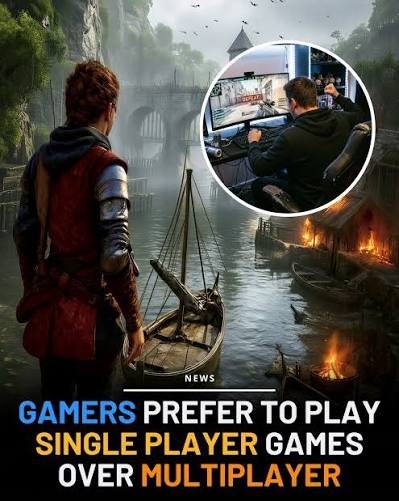
The gaming industry has grown into one of the world’s most influential forms of digital entertainment, offering experiences that go far beyond simple gameplay. While competitive multiplayer titles and fast-paced action games remain popular, story-driven games continue to capture the attention of millions of players worldwide. These games combine engaging narratives, memorable characters, and immersive worlds to create experiences that players remember long after the credits roll.
Unlike games that focus primarily on competition or high scores, story-driven titles invite players to become part of the adventure. Every decision, conversation, and challenge contributes to a larger narrative, making each journey feel meaningful. As technology advances, developers continue to produce richer stories, realistic characters, and emotionally engaging experiences, ensuring that narrative-focused games remain one of the strongest pillars of the gaming industry.
What Are Story-Driven Games?
Story-driven games place narrative at the centre of the player’s experience. Rather than simply completing levels or defeating opponents, players follow carefully crafted plots filled with interesting characters, exciting conflicts, and memorable locations.
Many story-based games include cinematic cutscenes, dialogue choices, side quests, and emotional character development that help players connect with the virtual world. Instead of rushing through gameplay, players become invested in discovering what happens next.
Whether exploring fantasy kingdoms, futuristic cities, historical settings, or mysterious worlds, players enjoy becoming active participants in stories that unfold through their actions.
Emotional Connections Keep Players Engaged
One of the biggest reasons story-driven games remain popular is their ability to create emotional connections between players and characters.
Well-written protagonists and supporting slot characters often experience challenges, friendships, victories, and personal growth throughout the adventure. As players spend more time with these characters, they begin to care about their journeys and outcomes.
Moments of triumph, sacrifice, surprise, and hope create memorable experiences that feel similar to enjoying an excellent novel or film. Because players actively participate in the story rather than simply watching it, the emotional impact becomes even stronger.
These emotional connections encourage players to complete the game while remembering the experience for years afterwards.
Immersive Worlds Encourage Exploration
Story-driven games often feature beautifully designed worlds filled with history, culture, and hidden details.
Developers carefully create environments that support the narrative, allowing players to explore ancient ruins, bustling cities, magical forests, futuristic space stations, or post-apocalyptic landscapes. Every location tells part of the story through architecture, environmental design, collectibles, and conversations with non-player characters.
Players naturally become curious about these worlds, leading them to explore beyond the main objectives. Hidden secrets, optional missions, and lore-rich discoveries reward exploration and deepen the overall experience.
Memorable Characters Make Stories Stronger
Great storytelling depends on unforgettable characters.
Successful story-driven games introduce heroes, companions, mentors, rivals, and villains with distinct personalities and motivations. Each character contributes to the overall narrative while helping players understand the game’s world.
Character development allows players to witness growth over time as individuals overcome obstacles, learn valuable lessons, and build meaningful relationships.
These memorable personalities often become iconic within gaming culture because players relate to their struggles, ambitions, and achievements.
Player Choices Create Personal Adventures
Many modern story-driven games allow players to influence how events unfold through meaningful choices.
Dialogue options, moral decisions, alliances, and exploration paths may affect relationships, missions, or even the ending itself. This interactive storytelling gives players a sense of ownership over their adventure.
Instead of following a completely fixed narrative, players experience stories shaped by their own decisions. Different playthroughs can reveal alternative outcomes, encouraging players to replay the game and discover new possibilities.
This combination of storytelling and player freedom greatly increases engagement.
High-Quality Writing Elevates the Experience
Strong writing remains one of the defining features of successful narrative games.
Professional writers develop compelling plots with carefully paced storytelling, believable dialogue, and interesting plot twists. Well-structured narratives maintain player curiosity while balancing exploration, gameplay, and character interactions.
Good storytelling also introduces themes such as friendship, courage, responsibility, teamwork, perseverance, and personal growth without interrupting gameplay.
As writing quality continues improving across the gaming industry, players increasingly recognise story-driven games as interactive works of creative storytelling.
Modern Technology Enhances Storytelling
Advancements in gaming technology have significantly improved narrative experiences.
High-resolution graphics create realistic facial expressions and detailed environments that strengthen emotional scenes. Motion capture technology produces natural character movements, while advanced voice acting makes conversations feel authentic.
Dynamic lighting, cinematic camera angles, orchestral soundtracks, and immersive sound design further enhance storytelling by creating dramatic atmosphere during important moments.
Artificial intelligence also allows non-player characters to behave more naturally, making virtual worlds feel alive and believable.
Together, these technologies create deeper emotional immersion than ever before.
Story-Driven Games Appeal to Diverse Audiences
One reason narrative-focused games continue to dominate player preferences is their broad appeal.
Players who enjoy action can experience exciting battles within meaningful stories. Adventure enthusiasts appreciate exploration and discovery, while puzzle fans enjoy solving challenges that advance the narrative.
Story-driven games also attract players who may not usually enjoy competitive gaming because they provide relaxing, thoughtful experiences focused on exploration and character interaction.
This versatility allows developers to reach audiences of different ages, interests, and gaming backgrounds.
Replay Value Through Multiple Endings
Many narrative games encourage players to return after completing the main story.
Developers often include:
- Multiple endings
- Alternative dialogue choices
- Hidden quests
- Optional character relationships
- Secret collectibles
- Different moral decisions
- Expanded lore
- Unlockable content
These features ensure that each playthrough can offer a slightly different experience, keeping players engaged even after finishing the main campaign.
Replayability also encourages discussion among gaming communities as players compare their unique journeys and outcomes.
Community Discussions Strengthen Popularity
Story-driven games generate active discussions across gaming communities.
Players enjoy sharing theories about hidden details, analysing characters, discussing favourite moments, and debating different endings. Online forums, social media, streaming platforms, and fan communities allow gamers to exchange ideas and interpretations.
Many story-rich games inspire fan art, creative writing, music, and videos, expanding the game’s influence beyond the original experience.
These communities help maintain long-term interest while introducing new players to narrative-focused titles.
The Future of Story-Driven Gaming
The future of story-driven games looks increasingly exciting as technology continues advancing.
Artificial intelligence may allow characters to respond more naturally to player actions, creating even more personalised narratives. Improved graphics engines will produce increasingly realistic worlds, while procedural storytelling systems could generate unique adventures for every player.
Cloud gaming and faster internet connections will also make high-quality story experiences more accessible across multiple devices.
Developers will continue blending cinematic storytelling with interactive gameplay, creating adventures that feel increasingly immersive and emotionally rewarding.
Conclusion
Story-driven games continue to dominate player preferences because they combine engaging narratives, memorable characters, emotional experiences, and immersive worlds into unforgettable adventures. Unlike many other forms of entertainment, these games allow players to actively shape the story through exploration and decision-making, creating a deeper connection with the experience.
As technology evolves and storytelling techniques become even more sophisticated, narrative-focused games will remain an essential part of the gaming industry. Whether players seek adventure, mystery, fantasy, science fiction, or emotional journeys, story-driven games offer experiences that entertain, inspire, and leave lasting memories. Their unique ability to merge interactive gameplay with compelling storytelling ensures they will continue captivating players for generations to come.
