Acne can make anyone feel frustrated, especially when breakouts keep coming back no matter what is tried. Today, people are not just looking for a strong product; they are looking for ingredients that clear skin and keep it healthy long term.
Best Acne-Fighting Ingredients By Rodan + Fields
Why Acne Needs Smart Ingredients?
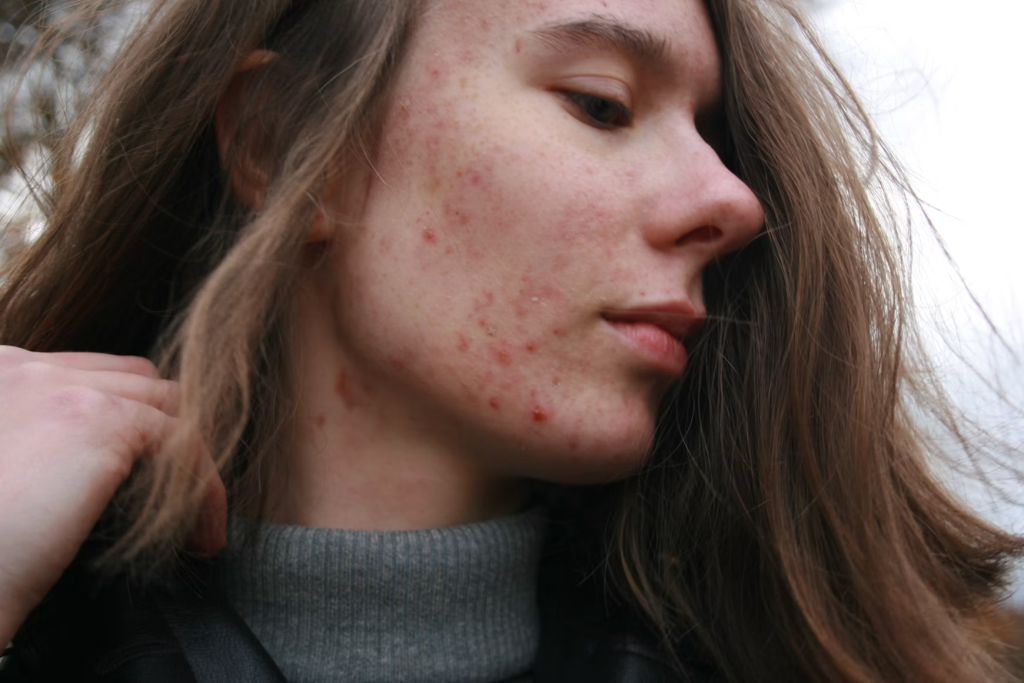
Acne happens when pores become clogged with oil, dead skin cells, and bacteria. When this build-up increases, the pore gets inflamed, and a pimple forms. Hormones, stress, diet, and genetics can all influence how often this happens.
Dermatology data shows that up to 85% of people will experience acne at some point in their lives, with many facing breakouts well into adulthood. At the same time, recent trends in 2025–2026 highlight a strong move away from harsh, stripping routines toward skin-barrier-friendly formulas that keep moisture and comfort in mind.
The Gold Standard: Benzoyl Peroxide
How Benzoyl Peroxide Works
Benzoyl peroxide (often shortened to BPO) remains one of the most effective acne-fighting ingredients on the market. It works by:
- Reducing acne-causing bacteria on the skin
- Helping clear blocked pores
- Decreasing redness in active breakouts
One major advantage is that acne bacteria do not easily develop resistance to benzoyl peroxide, which means it can stay effective over long periods of use. Clinical guidance still suggests strengths around 2.5% to 5%, with lower strengths often giving similar results but with less irritation.
BPO In 2026: Gentler, Barrier-Aware Formulas
In 2026, modern products pair benzoyl peroxide with soothing and hydrating ingredients to offset dryness and flaking. Many leave-on and wash-off formulas include humectants and lightweight moisturizers to support the barrier while BPO targets bacteria.
Pore-Clearing Hero: Salicylic Acid
Why Salicylic Acid Is So Popular
Salicylic acid is a beta hydroxy acid (BHA) known for its ability to work inside pores rather than just on the surface. It is oil-soluble, which allows it to:
- Dissolve and loosen built-up sebum
- Help shed dead skin cells that are clogging pores
- Calm redness and swelling around pimples
Dermatology resources point out that salicylic acid can take 4–6 weeks of consistent use before its full effect shows, so patience matters.
How Skin Uses It in 2026
In 2026, salicylic acid is often used as a “prep” step that clears the way for stronger actives like benzoyl peroxide or retinoids. Gentle cleansers and toners with low percentages are common in barrier-safe routines, providing regular exfoliation without stripping the skin.
For blackheads, whiteheads, and congestion on the nose or chin, salicylic acid remains one of the most reliable ingredients in daily use.
Oil Control Support: Sulfur
What Sulfur Does For Acne
Sulfur might sound old-fashioned, but it remains surprisingly useful for certain acne types. It helps by:
- Absorbing excess oil on the skin’s surface
- Drying dead skin cells to keep pores clear
- Supporting other actives like salicylic acid and benzoyl peroxide
Sulfur is considered gentler than many traditional acne agents, which makes it a good option for sensitive or easily reactive skin.
Where It Fits in Modern Routines
Sulfur is often found in:
- Wash-off masks
- Targeted spot treatments
- Cleansers for oily zones like the T-zone
Combined with barrier-supporting ingredients, sulfur can provide a helpful boost for people who struggle with shine, clogged pores, and recurring small breakouts.
Smoother Texture: Alpha Hydroxy Acids (AHAs)
AHAs and Acne-Prone Skin
Alpha hydroxy acids, such as glycolic acid and lactic acid, are water-soluble exfoliating acids derived from plant and other natural sources. While they are widely known for brightening and anti-aging benefits, they also:
- Help shed dead cells from the skin surface
- Reduce visible discoloration left behind by old blemishes
- Gradually lessen the look of enlarged pores
Because acne-prone skin often has larger pores and uneven tone, AHAs can play a key role in polishing texture once active breakouts are under control.
Barrier-Friendly Use in 2026
In recent guidance, dermatologists often recommend low to moderate AHA strengths, paired with strong sun protection, especially for people who are already using other actives like BPO or retinoids.
AHAs are no longer seen just as “peeling” acids; they are carefully dosed brightening tools that support skin clarity and a more even tone over time.
Supporting Actives: Retinoids and Natural Ingredients
Retinoids: Vitamin A Power
Retinoids, derived from vitamin A, help normalize how skin cells shed inside the follicle. When that process becomes smoother, pores are less likely to clog. For moderate to severe acne, prescription-strength retinoids are still a common choice. They:
- Help unblock clogged follicles
- Improve cell turnover
- Work well alongside targeted antibiotics when needed
In 2026, retinoids continue to be a key part of acne management when over-the-counter ingredients are not enough.
Natural Extracts With Real Data
Across recent years, certain natural ingredients like tea tree oil and green tea extract have gained attention for their antimicrobial and anti-inflammatory properties.
Research highlights that these ingredients may:
- Reduce visible redness
- Support oil control
- Offer mild antibacterial action on the skin
They do not replace core actives like benzoyl peroxide or salicylic acid, but they can be helpful additions to a broader routine, especially for people who prefer a mix of synthetic and botanical tools.
2026 Acne Ingredient Snapshot
To see how these ingredients work together, it helps to look at them side by side.
| Ingredient | Main Action | Typical Use Timeframe | Barrier Impact |
| Benzoyl Peroxide | Kills acne-causing bacteria, clears pores | 6–8 weeks for visible change | Can be drying; often paired with hydrators in 2026 |
| Salicylic Acid (BHA) | Deep pore exfoliation, reduces redness | 4–6 weeks to full effect | Generally gentle at low percentages |
| Sulfur | Absorbs surface oil, dries dead cells | Weeks to months depending on use | Mild, often suited for sensitive, oily skin |
| AHAs (Glycolic, Lactic) | Surface exfoliation, improves tone and texture | 2–3 months for clearer tone | Requires SPF; can be drying if overused |
| Retinoids (Rx) | Normalizes follicle shedding, targets severe acne | Several months of guided use | Can be irritating; usually introduced slowly |
This table reflects how acne care in 2026 blends proven actives with smarter, barrier-focused routines supported by recent dermatology guidance.
Building A Balanced Acne Routine in 2026
Key Steps For Most Acne-Prone Skin
A balanced routine in 2026 often includes:
- A gentle non-comedogenic cleanser that does not clog pores
- One or two main actives, such as benzoyl peroxide and salicylic acid
- Lightweight hydration with ingredients like glycerin or hyaluronic acid
- Daily broad-spectrum sunscreen when using AHAs or retinoids
People are encouraged to introduce just one strong active at a time, give it several weeks, and then adjust based on how their skin responds.
Why Full-Face Care Beats Spot Treatment
While spot treatments can help with the occasional blemish, dermatology guidance shows that full-face care is more effective for frequent breakouts. Acne often develops in cycles of about 28 days, so a consistent routine over 6–8 weeks is needed to address new and forming blemishes, not just the ones that are already visible.
This is why many acne systems in 2026 focus on long-term prevention, not just emergency fixes.
How This Fits With Skin-Barrier Science
Barrier-Friendly Is The New Normal
Recent skin science places the skin barrier at the center of acne care. Harsh, stripping cleansers and overly strong peels are being replaced by carefully dosed actives and hydrating bases.
Dermatologists in 2025–2026 highlight barrier repair ingredients, such as ceramides and soothing agents, as key partners alongside acne treatments, especially for people who are using benzoyl peroxide or retinoids.
When the barrier is healthy, acne ingredients can do their job more effectively with fewer side effects.