
Building a Strong Foundation Before Every Football Match for Better Overall Performance
A proper pre-match warm-up prepares players physically and mentally for the demands of football. It increases body temperature, activates key muscle groups, improves joint mobility, and helps reduce the likelihood of injuries. Players who follow a structured routine often react faster, move more efficiently, and maintain better control throughout the game. Whether competing at a professional level or enjoying recreational football, dedicating time to preparation creates a noticeable difference in performance. Many football enthusiasts also follow training tips and match insights through luongsontv to better understand how professionals prepare before stepping onto the pitch. Consistency is the key because every quality warm-up builds confidence before kickoff while allowing athletes to transition smoothly from rest into high-intensity movement.
Why a Proper Warm-Up Matters Before Kickoff
- Raises body temperature and improves muscle flexibility.
- Enhances blood circulation for better oxygen delivery.
- Increases mental focus before the match begins.
- Reduces the risk of muscle strains and joint injuries.
- Helps players adjust to match intensity more effectively.
Dynamic Stretching Exercises That Prepare the Entire Body for Football Action
Dynamic stretching should always replace long static stretching before a football match because it prepares muscles through controlled movement. Walking lunges activate the hips, quadriceps, and hamstrings while improving balance. High knees encourage faster leg turnover and improve running mechanics. Leg swings loosen the hip joints and increase flexibility for kicking movements. Arm circles and torso rotations prepare the upper body for shielding opponents and maintaining balance during physical challenges. Every movement should be controlled rather than rushed, gradually increasing the range of motion without forcing the muscles beyond their comfort zone. Completing these exercises for several minutes ensures that the body is ready for explosive actions such as sprinting, changing direction, jumping, and striking the ball.
Benefits of Dynamic Stretching Before Football
- Improves flexibility without reducing muscle power.
- Activates major muscle groups for game situations.
- Enhances movement efficiency during quick transitions.
- Supports smoother changes in direction.
- Promotes better posture while running and controlling the ball.
Balance Training Exercises That Improve Stability During Every Phase of the Match
Balance plays a significant role in football because players constantly perform actions on one leg while passing, shooting, tackling, or receiving the ball. Single-leg stands are excellent for strengthening stabilizing muscles around the ankles, knees, and hips. Progressing to single-leg squats further develops lower-body control while improving coordination. Standing on one foot while gently passing a ball with a teammate adds football-specific movement to the exercise. Incorporating balance cushions or soft surfaces can further challenge stability for advanced players. These activities improve body awareness and make it easier to recover quickly after physical contact with opponents or unexpected changes in movement during competitive matches.
Effective Balance Exercises Before Playing
- Perform single-leg stands for improved stability.
- Practice controlled single-leg squats.
- Balance while passing a football with a partner.
- Use balance pads for advanced coordination work.
- Maintain proper posture throughout every movement.
Coordination Drills That Sharpen Footwork, Reaction Speed, and Ball Control
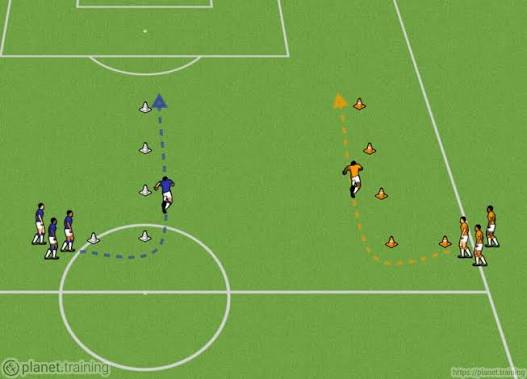
Football demands exceptional coordination between the eyes, feet, and brain. Agility ladder drills encourage quicker foot placement and better rhythm while moving in different directions. Cone weaving improves body control and teaches players to maintain balance while changing direction rapidly. Short passing sequences with teammates develop communication and timing while increasing confidence before kickoff. Reaction drills involving colored cones or verbal commands challenge players to process information quickly before responding with precise movement. Repeating these exercises at moderate intensity builds neuromuscular efficiency, allowing players to execute technical skills more smoothly under pressure during competitive matches.
Coordination Activities That Deliver Better Results
- Complete agility ladder footwork patterns.
- Dribble through cones using both feet.
- Practice quick passing combinations.
- Perform reaction-based movement drills.
- Focus on accuracy instead of rushing each exercise.
Endurance-Focused Warm-Up Activities That Prepare Players for Sustained High Performance
Although endurance training usually occurs during regular practice sessions, pre-match preparation should include light cardiovascular activities that elevate heart rate gradually. Gentle jogging followed by progressive acceleration helps prepare the cardiovascular system without causing fatigue. Shuttle runs over short distances simulate match movement patterns while increasing readiness. Side shuffles and backward jogging activate muscles often used during defensive positioning and quick transitions. The objective is to wake up the body’s energy systems while preserving enough strength for the full match. Players should finish feeling energized rather than exhausted, allowing them to perform consistently from the opening whistle until the final minutes.
Warm-Up Endurance Exercises to Include
- Jog at an easy pace for several minutes.
- Perform controlled shuttle runs.
- Practice side shuffles across short distances.
- Include backward jogging to activate different muscles.
- Finish with several progressive acceleration runs.
Combining Football-Specific Movement Patterns Into an Effective Pre-Match Routine
The final stage of a warm-up should closely resemble actual match situations. Short sprints, controlled dribbling, passing combinations, shooting practice, and defensive positioning drills help players transition naturally into competitive play. This stage connects physical readiness with technical execution while reinforcing confidence before kickoff. Coaches often encourage players to complete these football-specific activities at increasing intensity without reaching maximum effort too early. Many supporters who follow football preparation content through luongsontv bóng đá appreciate how elite players consistently repeat structured routines before every game. Developing a personalized sequence allows each athlete to address individual strengths and weaknesses while maintaining consistency throughout the season.
Football-Specific Warm-Up Components
- Practice controlled dribbling at varying speeds.
- Complete accurate passing combinations.
- Perform short explosive sprints.
- Rehearse shooting with proper technique.
- Simulate defensive movement and positioning.
Common Warm-Up Mistakes That Can Reduce Performance and Increase Injury Risk
Even experienced players sometimes make mistakes that limit the effectiveness of their preparation. Skipping the warm-up entirely leaves muscles unprepared for sudden high-intensity actions. Starting with maximum-speed sprints too early may increase muscle strain instead of improving readiness. Performing only static stretching before kickoff can reduce explosive power needed for football movements. Some players also ignore hydration or rush through exercises without focusing on technique. A successful warm-up should progress gradually from simple movements to football-specific activities while allowing enough time for the body to adapt naturally before competition begins.
Mistakes Every Football Player Should Avoid
- Skipping the warm-up before matches.
- Beginning with maximum-intensity exercises.
- Relying only on static stretching.
- Ignoring hydration before kickoff.
- Rushing through movements without proper technique.
Complete Conclusion: Why a Well-Planned Pre-Match Football Warm-Up Routine Improves Balance, Coordination, Endurance, Confidence, Performance, and Long-Term Player Development
Every successful football performance begins long before the referee starts the match. A carefully planned warm-up prepares the body for demanding physical activity while improving balance, coordination, endurance, flexibility, and technical readiness. Dynamic stretching, balance exercises, coordination drills, endurance preparation, and football-specific movements work together to create a complete routine that supports both immediate performance and long-term athletic development. Players who consistently invest time in effective preparation often experience smoother movement, better decision-making, and greater confidence throughout the game. Building this habit before every match not only enhances individual performance but also contributes to stronger teamwork, improved consistency, and a lower risk of preventable injuries across an entire football season.
Key Takeaways From an Effective Football Warm-Up
- Prepare the body gradually before every match.
- Improve balance through stability-focused exercises.
- Strengthen coordination with football-specific drills.
- Build endurance without creating unnecessary fatigue.
- Avoid common warm-up mistakes that increase injury risk.
- Maintain consistency to support long-term football performance.